
This is default featured post 1 title

Go to Blogger edit html and find these sentences.Now replace these sentences with your own descriptions.

This is default featured post 2 title

Go to Blogger edit html and find these sentences.Now replace these sentences with your own descriptions.

This is default featured post 3 title

Go to Blogger edit html and find these sentences.Now replace these sentences with your own descriptions.

This is default featured post 4 title

Go to Blogger edit html and find these sentences.Now replace these sentences with your own descriptions.

This is default featured post 5 title

Go to Blogger edit html and find these sentences.Now replace these sentences with your own descriptions.

8 Ocak 2012 Pazar

Protein Matters

Beef is often included on a short list of foods which are purported to increase the risk of various diseases. Among the health concerns expressed about beef is a supposed correlation between red meat consumption and cardiovascular disease. However, a just published study in the American Journal of Clinical Nutrition begs to differ with this prevalent theory. In the trial, a group of participants with high cholesterol were fed one of four diets for 5 weeks. Those receiving a diet known as BOLD+, comprised of 28% fat, 27% protein and includes 153 grams of beef/day, demonstrated greater improvements in several cardiovascular risk factors than subjects receiving lower beef and protein diets. According to the authors of the study, these findings “provide support for including lean beef in a heart-healthy dietary pattern”.

Before you get too enthusiastic about beef, it’s worth noting that another recent investigation determined that replacing beef with other protein sources may lower stroke risk. An evaluation of over 84,000 women determined that substituting beef with chicken, fish or nuts lowered the relative stroke risk in women by -27%, -17% and -17% respectively. What may be surprising to some is that replacing beef with legumes did not result any significant benefit. In the analysis, low and whole fat dairy products afforded a more modest 10% – 11% reduction in risk.
The importance of adequate protein is also highlighted in three additional publications from the past few months. The first reports that replacing carbohydrates with protein is an effective means of lowering blood sugar, body fat and weight in women with polycystic ovary syndrome or PCOS. The experimental diet in question contained >40% calories from protein and 30% calories from fat. Another trial revealed that a high protein, low calorie diet outperformed a carbohydrate-rich, low calorie diet by reducing fat cell volume and several cardiometabolic indicators in obese adults. Finally, the fear that some have about dietary protein promoting bone density loss also appears to be largely unfounded. The December issue of the journal Clinical Nutrition draws an inverse link between higher protein intake and fracture risk in seniors. In particular, greater consumption of animal protein was associated with a decreased incidence of fractures. This observation held true regardless of calcium intake.
To learn more about the studies referenced in today’s column, please click on the following links:
Study 1 – Beef in an Optimal Lean Diet Study: Effects on Lipids, Lipoproteins, (link)
Study 2 - Dietary Protein Sources and the Risk of Stroke in Men and Women (link)
Study 3 – Effects of Increased Dietary Protein-to-Carbohydrate Ratios in Women(link)
Study 4 - Differential Effects of Macronutrient Content in 2 Energy-Restricted (link)
Study 5 - Protein Intake and Fracture Risk in Elderly People: A Case-Control Study (link)
Diets Rich in Lean Beef (BOLD+) May Improve Some Cardiovascular Risk Factors
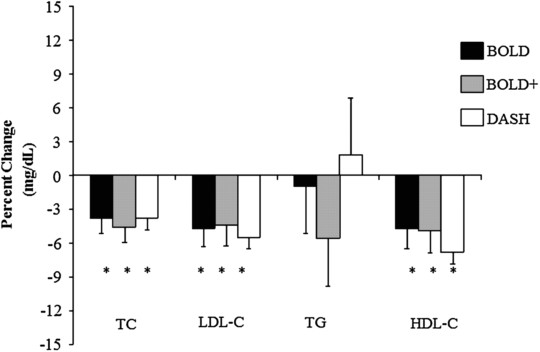
Source: Am J Clin Nutr January 2012 vol. 95 no. 1 9-16 (link)

The Simple Track to Your 5k

I am so excited to work with BlogHer on their Inspiration to Fitness Program! Fitness excites me and reminds me I’m alive. I became a certified personal trainer to inspire others with their fitness goals and am looking forward to earning my CrossFit Endurance certification next month!
Running clears the mind, strengthens the body and builds toughness. Over the next eight weeks we’re going to cover a training plan to get you from wherever you are to running a 5k race, or 3.1 miles. Even if you don’t have a specific race to train for, this program will improve your fitness for whatever physical challenges you come across.
Don’t worry- nobody expects you to run 3.1 miles next week! We will build a base slowly so that, before you know it, a 5k race will seem like a walk in the park.
The best running plan has you do more than just run so we will incorporate some strength training, cross training and effective stretching to keep you balanced, strong and injury-free.
Your workouts each week will consist of three runs and two strength training sessions. Your strength training sessions can be done after your runs. Add in cross training when possible. This can be anything from walking around your neighborhood to playing a game of basketball to taking a local yoga class.
Before you get started consider keeping a small notebook or joining a site like Daily Mile to track your workouts. Record your run distance, time and pace and how you felt during it. This will help you see how far you’ve come and allow you to spot opportunities in your training.
If you don’t have a watch that tracks your distance, plan run routes and track distance with Map My Run or Google Maps.
Stretch
Static stretching (or holding a stretch for a long period of time) before a run can lead to injury. Instead, we are going loosen your body for your workouts with dynamic stretches.
Run
Each run will begin with a five minute warm up. The warm up is a good time to visualize how your run will be and regulate your breathing. During your runs, aim to run as much as possible and take walk breaks when necessary. When walking, keep the pace fast. Afterward, walk to cool down for five minutes.
Strength
Each strength workout will consist of rounds of a few key movements. Most movements will require only your body weight and can be scaled to your personal ability.
Next week we’re going to jump right in. Right now set yourself up to track your workouts with a notebook or Daily Mile. Exercise for periods of at least 30 minutes to prepare yourself for your first run. It’s going to be good!

Share

Twitter Delicious Facebook Digg Stumbleupon Favorites More